Birkaç ay önce Candan Erçetin'in resmi web sitesinde 'günlük hayat içinde yaşadığınız, karşılaştığınız, gözlemlediğiniz olay ve konuları paylaşmak için' 'Biz Bize' adlı bir platform oluşturulmuş. Geçen yaz uğurladığı babası, onun öğretmenliği ve Türkiye'nin eğitim sistemi ile ilgili bir yazıyla başlamış.
(Yazıyı burada okuyabilirsiniz: http://www.keepandshare.com/doc/2480927/candan-er-etin-ondan-rendim-54k?da=y)
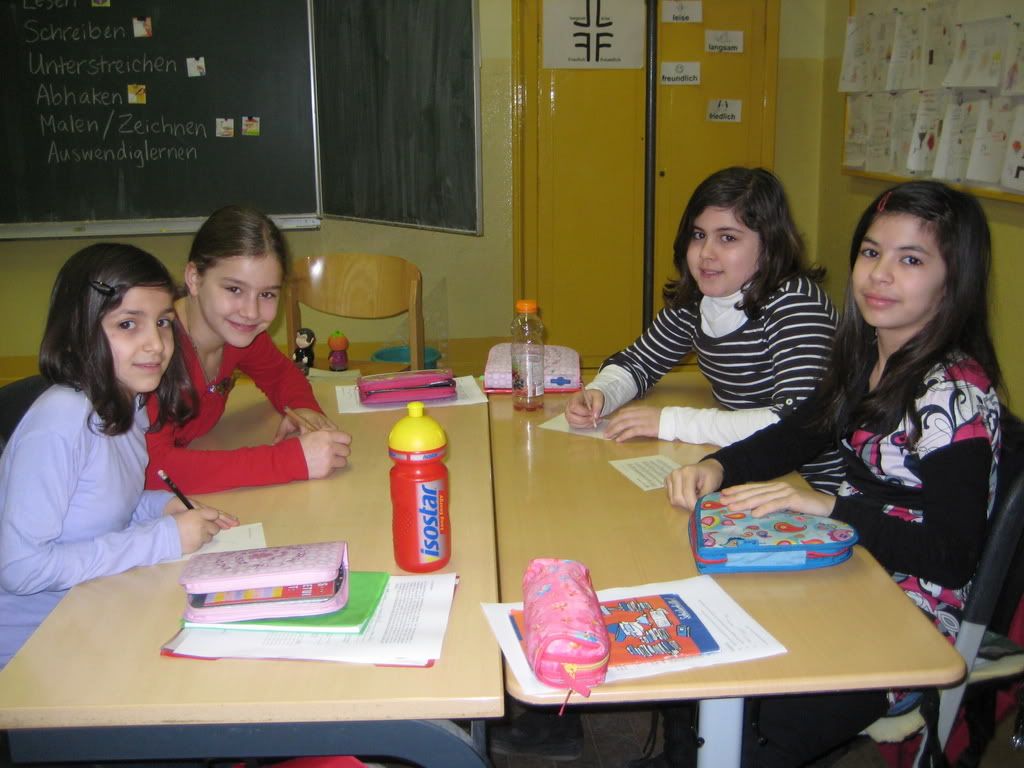
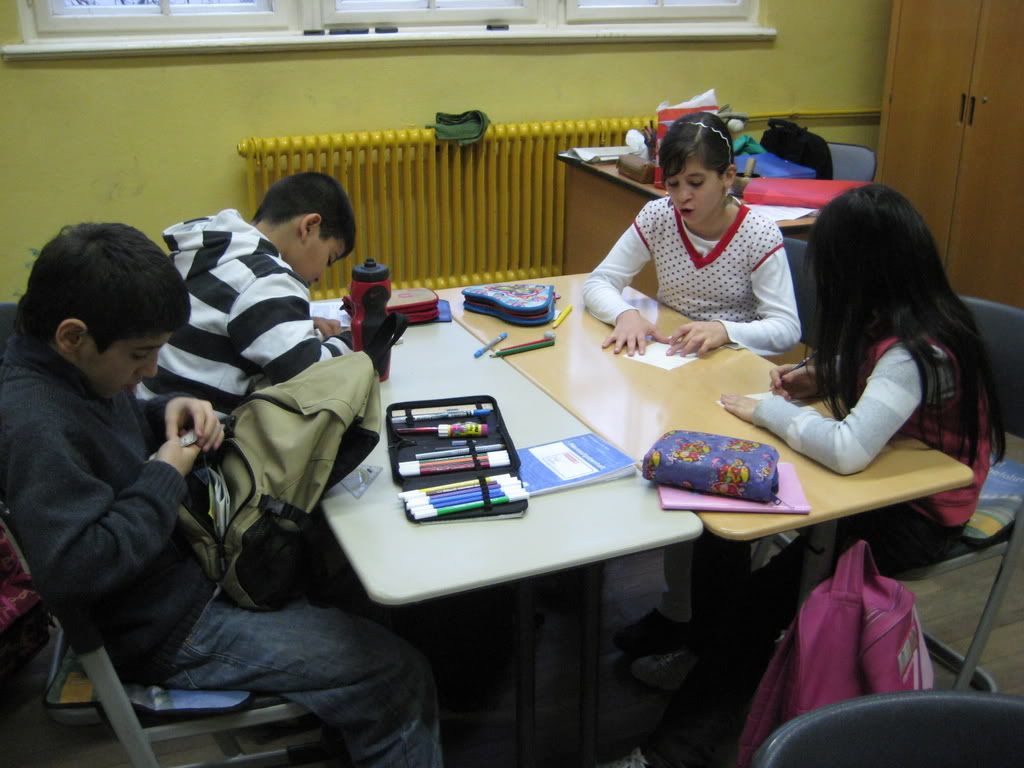
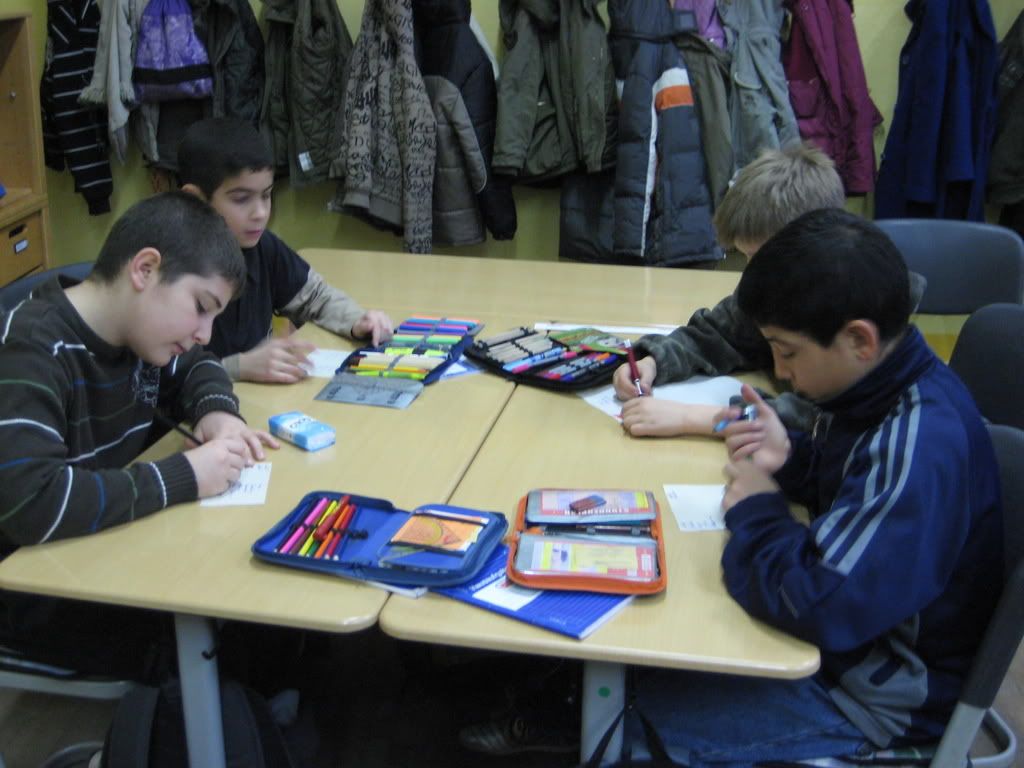
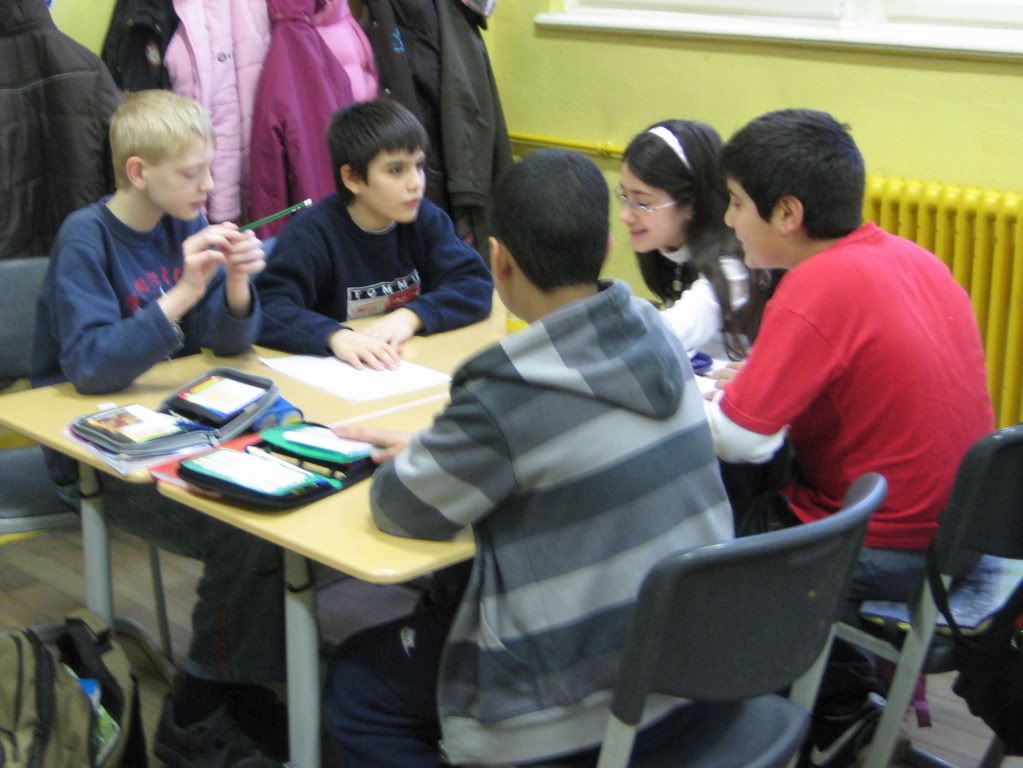
Yazıyı okuyunca çok duygulandım, Türkçe sınıfımla paylaştım ve son olarak ona cevaben kendi yazımı yazdım. Şimdiki Türkçe öğretmenim Celile'nin yardımıyla üç beş kere çalışıp yazımı Candan'a gönderdim. Birkaç hafta sonra 'Biz Bize' platformuna bakınca bu yeni postu gördüm (sonuna kadar okuyun!):
__________________________
Uzun zaman oldu...
Sizlerden yazılar bekledim, makaleler bekledim, içinize dert olmuş ya da sizi mutlu eden bir konuda yazmanızı bekledim. İnatla başka yazı yazmadım sadece yazdıklarınızı okudum ve bekledim. Benimle ilgili söylemek istediklerinizi saygıyla ve sevgiyle kabul ediyorum ama biliyorum ki paylaşmamız gereken çok önemli sorunlarımız var.
Ben hep halkın gücüne inandım, tek gerçeğin bizlerin yaşadıkları, gördükleri ve düşündükleri olduğuna inandım. Müzik yoluna çıkarken “ bu türle tutunamazsın diyenlere”, “benim gibi düşünen, benim gibi hissedenler var mutlaka, ben onları aramaya çıkıyorum ” dedim ve yıllar bana sizleri kazandırdı. Bu, sizleri dinleyici olarak kazanmak değil, aynı ülkenin yakın görüşlerini paylaşan, ortak acılarını çeken ve benzer hisleri dışa vurmak isteyenlerin varlığını hissetmenin kazancı. Yalnız olmadığını bilmenin en güzel yolu.
Bana hitaben yazdığınız yazıların en çok kullanılan başlangıç cümlesi “siz beni tanımıyorunuz ama ben size.....”. Bu platform birbirimizi tanımamız için oluşturuldu, sadece yazın, kendinize ait, tanıklıklarınıza ait , özel ya da genel yaşadıklarınızı, hissettiklerinizi yazın. Şahsi bilgiler vermeyin, duygunuzu yazın ya da ne bileyim bir yazar gibi davranın başka karakterler üzerinden anlatın ama anlattıklarınız gerçek olsun. Bu platformda paylaşmak istemeseniz bile bir kağıt kalem alın ve içinizi dökün, sonunda yazmanın ne kadar güzel bir rahatlama yolu olduğunu göreceksiniz, bana güvenin, tecrübeyle sabit.
Şimdi gelin bir soluk ötemizde duran yepyeni bir yılda birbirimize yazılarımızla dokunalım, tanışmasak bile birbirimizi tanıyalım ve yüreğimizdekileri ortaya koyalım. Yeni yılın size ve sevdiklerinize sağlık, mutluluk ve bereket getirmesini diliyorum.
Aydınlık ve şeffaf bir yıl olması dileğiyle hepinizi gönülden kucaklıyorum.
Sevgiyle Kalın,
Candan
31.12.2010
Not : Bu arada “Biz Bize” platformunda “köşe yazısı” olarak yayınlayabileceğimiz tek yazı Türkçe eğitimi almış Amerikalı bir üyemizden gelmiş. Sizinle hemen paylaşıyoruz. Bu kadar akıcı ve doğru bir Türk dili kullanımı bazen biz anadili Türkçe olanlar arasından bile çıkmıyor, kendisini kutluyorum.
Christina Lordeman - 'Ondan Öğrendim' adlı yazınıza bir Amerikalının cevabı (http://bizbize.candanercetin.com.tr/Yazdiklariniz.aspx)
__________________________
Adıma bakınca herkes tabii Türk olmadığımı anlıyor; ben Amerikalıyım. Yaklaşık beş yıl önce başlangıç düzeyinde Türkçe sınıfında 'Melek' adlı çok güzel bir şarkıyı dinledim. Yıllar sonra Türk müziği merakım uyanınca o şarkıyı hatırlayıp Candan Erçetin'in kim olduğunu keşfetmeye başladım. Türkçe'mden dolayı biraz çalışmam gerektiyse de hem şarkılarını dinlemekten hem kariyeri ve hayatıyla ilgili bilgi edinmekten büyük bir zevk aldım. İnanılmaz güzel sesinin yanı sıra başta öğretmen olması, hatta Türkiye'nin en başarılı şarkıcılarından biri olurken öğretmenliğine devam etmesi dikkatimi çekti.
Şimdi ben kendi öğretmenliğime yakında başlayacak olurken 'Fikri hür, vicdanı hür' platformuna girip 'Ondan Öğrendim' yazısını okuduğumdan beri o yazıyı aklımdan çıkaramıyorum. Candan'ın babasından o çok değerli şeyler öğrenmesiyle bunları yaşamında canlandırmasına hayranım. Ben de öyle bir öğretmen, daha doğrusu öyle bir insan olmak istiyorum. Ayrıca Candan'ın yazdıklarını okurken aynı zamanda kendi düşüncelerimin bir şekilde dile getirildiğini hissettim. Gerçi Türkiye ve Amerika'nın eğitim sistemleri çok farklı ama eksiklerinin kaynakları çok yakın görünüyor.
Ben geçen sene öğretmenlik üzerine yüksek lisansa başladıktan kısa bir süre sonra büyük bir hayal kırıklığı yaşıyordum. Öğretmenliğe başlamayı sabırsızlıkla bekliyordum ama eğitim derslerinden bıkmıştım. Yaptığım her şeye hocalar 'güzel' diyordu ve hatta bazılarının öğrettiği konularla ilgili bilgisi olduğundan şüphe ediyordum. Dersteki konuşmalara çoğu öğrencilerin değerli, akıllı katkıları yoktu. Dersler hiç zor değildi, çaba göstermeden başarabildim. Herkesin beklentileri azdı. Fen-edebiyat fakültesinde lisans öğrencisiyken hiç böyle bir sıkıntı yaşamadım; standartlar çok daha yüksekti. Gelecekte sınıflarımızda oturacak öğrencileri düşünürken eğitim derslerinin düşük kalitesine çok kızdım. Gelecek öğretmenler iyi öğrenciler değilse ve onların öğretmenleri de iyi öğretmenler değilse, gelecek kuşaklar nasıl bir eğitim alacak? Sorumlu ve bilinçli dünya vatandaşları olmayı nasıl öğrenebilecekler?
Okuduğuma, duyduğuma göre Türkiye ve başka çok ülkelerden farklı olarak benim ülkem, öğretmenliğin çok başarılı olanlar için bir meslek olmadığına karar vermiş; öğretmen olmak için vasat olmak yetermiş. Çok yetenekli öğrencilere 'Öğretmen olmayı düşündün mü hiç?' diye pek az sorulur. Tam tersine başarılı bir öğrenci, öğretmen olmaya karar verince 'Ama daha farklı şeyler yapabilirsin' denip daha çok saygı gösterilen – ve tabii daha kazançlı – mesleklerin onun için daha doğru olduğu söylenir.
Amerika'da herhangi bir dersi eğitim fakültesinde okumak, aynı konuyu fen-edebiyat ya da güzel sanatlar fakültesinde okumaktan daha kolay. Dahası okullarımızdaki öğrenciler başarısız olunca galiba kimsenin aklına eğitim fakültelerini geliştirerek daha iyi öğretmenler yetiştirme fikri gelmemiştir. Bunun yerine öğrencilere standardize sınavlar verip öğretmenleri sonuçlardan sorumlu kılarak 'gerekli' bilgilerin öğrenilmesini temin etmeye çalışıyor eğitim sistemimiz. Verilen eğitim gittikçe sınav geçme odaklı olurken yetenekli mezunlar daha çok kabiliyet gerektiren meslekler olarak tanımlanan başka alanlara kayıyor. Ve hırsı olmayan, kendi öğrettiği dersleri iyi öğrenmemiş olan öğretmenlerin sınıflarında oturan gençler, bunun bedelini ödüyor.
Belki bu yüzden Candan'ın 'Ondan Öğrendim' yazısında 'Bir birey olarak kendimi eğitirken bunun faydalarını sadece kendim için kullanmamayı' cümlesi beni en çok etkiledi. Öğretmenlik, birinin kendisini eğitmesinin faydalarını tek paylaşma yolu olmasa da çok önemli bir yoludur. Sadece kendim için değil, öğrendiklerimi paylaşacağım gelecekteki öğrencilerim için eğitimime emek veriyorum. İlk defa bu platformda öğrendiğim köy enstitüleri 'hem kendi için, hem başkaları için öğrenme' fikrinin eşsiz bir örneği olabilir. Çok yetenekli öğrenciler seçip onlara geniş kapsamlı, çok emek isteyen bir eğitim vererek geleceğin öğretmenlerini hazırlamışlar ve ülkenin aydınlanmasını onlara emanet etmişler. Öğretmenlerin becerilerinin ve o becerilerini paylaşabilmelerinin önemini anlamışlar. Ne yazık ki köy enstitüleri zamansız kapatılmışlar.
Eğitimin amaçları çok değişmiyor bence, ne Türkiye'de ne Amerika'da. Eleştirel düşünmeyi, dünyaya değişik bakış açılarından bakmayı, düşüncelerini etkili ve yaratıcı şekillerde ifade etmeyi bilen ve dünyanın, bilginin ve en önemlisi insanın değerini anlayan nesiller yetiştirmeyi asla bırakmamalıyız. Ama bu işin kolay olduğuna inanırsak başarmayacağız.
Dolayısıyla zeki, yaratıcı ve değişik yeteneklere sahip olurken anlayışlı, alçak gönüllü ve özverili öğretmenlere büyük bir ihtiyacımız var. (Böyle bir öğretmen olmaya uğraşırken Candan Erçetin ile babası gibi örneklerden ilham alıyorum.) Başarılı olanlar yeteneklerini hep kendileri için kullanırsa gelecek kuşaklara ait bir miras kaybolur; aynı zamanda öğretmenler öğrenmeye, becerilerini geliştirmeye devam etmezse bir sürü kişinin kendi yetenekleri keşfedilmez. Eğitim sistemleri buna önem vermese de öğretmenler olarak bizim kendi kendimize yüksek standartlar ayarlayıp onlara uymamız lazım.
Bir eğitim öğrencisi olarak benden sadece vasat olmam beklenirken üstün olmanın daha zor olduğunu öğrendim. Ama daha uzun olsa da doğru yolu seçip 'zorluklar karşısında yılmamamız, bütün hırsımızı ve enerjimizi yaptığımız işe yönlendirmemiz' lazım. Geleceğimizin temeli budur.
Christina Lordeman
Kasım 2010
Şimdi ben kendi öğretmenliğime yakında başlayacak olurken 'Fikri hür, vicdanı hür' platformuna girip 'Ondan Öğrendim' yazısını okuduğumdan beri o yazıyı aklımdan çıkaramıyorum. Candan'ın babasından o çok değerli şeyler öğrenmesiyle bunları yaşamında canlandırmasına hayranım. Ben de öyle bir öğretmen, daha doğrusu öyle bir insan olmak istiyorum. Ayrıca Candan'ın yazdıklarını okurken aynı zamanda kendi düşüncelerimin bir şekilde dile getirildiğini hissettim. Gerçi Türkiye ve Amerika'nın eğitim sistemleri çok farklı ama eksiklerinin kaynakları çok yakın görünüyor.
Ben geçen sene öğretmenlik üzerine yüksek lisansa başladıktan kısa bir süre sonra büyük bir hayal kırıklığı yaşıyordum. Öğretmenliğe başlamayı sabırsızlıkla bekliyordum ama eğitim derslerinden bıkmıştım. Yaptığım her şeye hocalar 'güzel' diyordu ve hatta bazılarının öğrettiği konularla ilgili bilgisi olduğundan şüphe ediyordum. Dersteki konuşmalara çoğu öğrencilerin değerli, akıllı katkıları yoktu. Dersler hiç zor değildi, çaba göstermeden başarabildim. Herkesin beklentileri azdı. Fen-edebiyat fakültesinde lisans öğrencisiyken hiç böyle bir sıkıntı yaşamadım; standartlar çok daha yüksekti. Gelecekte sınıflarımızda oturacak öğrencileri düşünürken eğitim derslerinin düşük kalitesine çok kızdım. Gelecek öğretmenler iyi öğrenciler değilse ve onların öğretmenleri de iyi öğretmenler değilse, gelecek kuşaklar nasıl bir eğitim alacak? Sorumlu ve bilinçli dünya vatandaşları olmayı nasıl öğrenebilecekler?
Okuduğuma, duyduğuma göre Türkiye ve başka çok ülkelerden farklı olarak benim ülkem, öğretmenliğin çok başarılı olanlar için bir meslek olmadığına karar vermiş; öğretmen olmak için vasat olmak yetermiş. Çok yetenekli öğrencilere 'Öğretmen olmayı düşündün mü hiç?' diye pek az sorulur. Tam tersine başarılı bir öğrenci, öğretmen olmaya karar verince 'Ama daha farklı şeyler yapabilirsin' denip daha çok saygı gösterilen – ve tabii daha kazançlı – mesleklerin onun için daha doğru olduğu söylenir.
Amerika'da herhangi bir dersi eğitim fakültesinde okumak, aynı konuyu fen-edebiyat ya da güzel sanatlar fakültesinde okumaktan daha kolay. Dahası okullarımızdaki öğrenciler başarısız olunca galiba kimsenin aklına eğitim fakültelerini geliştirerek daha iyi öğretmenler yetiştirme fikri gelmemiştir. Bunun yerine öğrencilere standardize sınavlar verip öğretmenleri sonuçlardan sorumlu kılarak 'gerekli' bilgilerin öğrenilmesini temin etmeye çalışıyor eğitim sistemimiz. Verilen eğitim gittikçe sınav geçme odaklı olurken yetenekli mezunlar daha çok kabiliyet gerektiren meslekler olarak tanımlanan başka alanlara kayıyor. Ve hırsı olmayan, kendi öğrettiği dersleri iyi öğrenmemiş olan öğretmenlerin sınıflarında oturan gençler, bunun bedelini ödüyor.
Belki bu yüzden Candan'ın 'Ondan Öğrendim' yazısında 'Bir birey olarak kendimi eğitirken bunun faydalarını sadece kendim için kullanmamayı' cümlesi beni en çok etkiledi. Öğretmenlik, birinin kendisini eğitmesinin faydalarını tek paylaşma yolu olmasa da çok önemli bir yoludur. Sadece kendim için değil, öğrendiklerimi paylaşacağım gelecekteki öğrencilerim için eğitimime emek veriyorum. İlk defa bu platformda öğrendiğim köy enstitüleri 'hem kendi için, hem başkaları için öğrenme' fikrinin eşsiz bir örneği olabilir. Çok yetenekli öğrenciler seçip onlara geniş kapsamlı, çok emek isteyen bir eğitim vererek geleceğin öğretmenlerini hazırlamışlar ve ülkenin aydınlanmasını onlara emanet etmişler. Öğretmenlerin becerilerinin ve o becerilerini paylaşabilmelerinin önemini anlamışlar. Ne yazık ki köy enstitüleri zamansız kapatılmışlar.
Eğitimin amaçları çok değişmiyor bence, ne Türkiye'de ne Amerika'da. Eleştirel düşünmeyi, dünyaya değişik bakış açılarından bakmayı, düşüncelerini etkili ve yaratıcı şekillerde ifade etmeyi bilen ve dünyanın, bilginin ve en önemlisi insanın değerini anlayan nesiller yetiştirmeyi asla bırakmamalıyız. Ama bu işin kolay olduğuna inanırsak başarmayacağız.
Dolayısıyla zeki, yaratıcı ve değişik yeteneklere sahip olurken anlayışlı, alçak gönüllü ve özverili öğretmenlere büyük bir ihtiyacımız var. (Böyle bir öğretmen olmaya uğraşırken Candan Erçetin ile babası gibi örneklerden ilham alıyorum.) Başarılı olanlar yeteneklerini hep kendileri için kullanırsa gelecek kuşaklara ait bir miras kaybolur; aynı zamanda öğretmenler öğrenmeye, becerilerini geliştirmeye devam etmezse bir sürü kişinin kendi yetenekleri keşfedilmez. Eğitim sistemleri buna önem vermese de öğretmenler olarak bizim kendi kendimize yüksek standartlar ayarlayıp onlara uymamız lazım.
Bir eğitim öğrencisi olarak benden sadece vasat olmam beklenirken üstün olmanın daha zor olduğunu öğrendim. Ama daha uzun olsa da doğru yolu seçip 'zorluklar karşısında yılmamamız, bütün hırsımızı ve enerjimizi yaptığımız işe yönlendirmemiz' lazım. Geleceğimizin temeli budur.
Christina Lordeman
Kasım 2010